
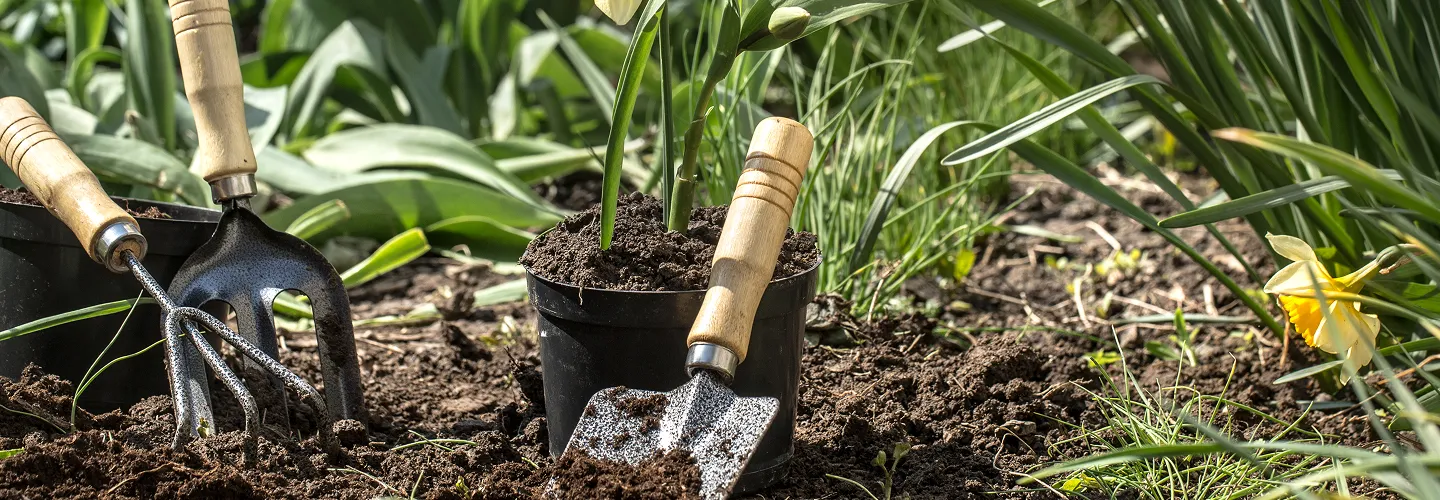
Richland Fertilizing Lawn Services
Choose our Fertilizing Lawn service for lush, healthy grass that thrives all season long—our expert care ensures your yard stands out with vibrant color and resilience.
Get a Free QuoteOur Richland Landscaping & Yard Care Services
When to Schedule Fertilizing Lawn in Richland, Georgia – Seasonal Guide
In Richland, Georgia, timing your lawn fertilization is crucial for achieving a lush, healthy yard that thrives throughout the year. The best periods for fertilizing are typically early spring and early fall, when soil temperatures are moderate and grass roots are most active. Richland’s climate features warm, humid summers and mild winters, but local factors such as late spring frosts and occasional summer droughts can impact the ideal fertilization window. Neighborhoods near Stewart County Park or along Broad Street may experience varying shade coverage and soil types, which also influence the best schedule for lawn care.
It’s important to consider Richland’s unique environmental conditions, including the risk of heavy rainfall in late spring and the sandy, well-draining soils common in the area. Homeowners should also be aware of any municipal guidelines or seasonal restrictions on fertilizer use, which can be found through resources like the Sudbury town website. By tailoring your fertilization schedule to these local factors, you can ensure your lawn remains vibrant and resilient year-round.
Local Factors to Consider for Fertilizing Lawn in Richland
- Tree density and shade coverage, especially in neighborhoods with mature oaks and pines
- Soil composition, such as sandy or clay-heavy soils common in Richland
- Average precipitation and risk of summer droughts
- Frost dates, particularly in early spring and late fall
- Terrain and drainage patterns, especially on sloped properties
- Municipal restrictions or guidelines on fertilizer application
Benefits of Fertilizing Lawn in Richland

Healthier, Greener Lawns
Improved Weed Resistance
Enhanced Soil Nutrients
Stronger Root Development
Increased Lawn Density
Expert Local Landscaping Service
Richland Fertilizing Lawn Types

Cool-Season Grass Fertilization
-
Warm-Season Grass Fertilization
-
Organic Lawn Fertilization
-
Weed and Feed Treatments
-
Starter Fertilizer Applications
-
Slow-Release Fertilizer Programs
-
Seasonal Fertilizer Scheduling
Our Fertilizing Lawn Process
Soil Analysis
Fertilizer Selection
Application Scheduling
Even Fertilizer Distribution
Post-Application Inspection
Why Choose Richland Landscape Services
-
Richland Homeowners Trust Us
-
Expert Lawn Maintenance
-
Competitive Pricing
-
Professional Team
-
Satisfaction Guarantee
-
Personalized Service
-
Reliable Scheduling
Richland's Coastal Plain Soils and Their Impact on Lawn Fertilizer Retention
Richland sits in southwest Georgia's upper Coastal Plain region, where soils are predominantly sandy loams and loamy sands from the Orangeburg, Faceville, and Tifton soil series. These well-drained soils, while favorable for warm-season turf root development, present a significant challenge for fertilizer retention. Nutrients—particularly nitrogen and potassium—leach rapidly through sandy profiles, reducing the effectiveness of single heavy applications. Property owners should understand several key soil characteristics before fertilizing:
- Soil pH in this area typically ranges from 5.0 to 6.2, which is moderately to strongly acidic
- Cation exchange capacity (CEC) is low in sandy soils, meaning they hold fewer nutrients
- Organic matter content is often below 2%, limiting natural nutrient cycling
- USDA Hardiness Zone 8b applies to Richland, supporting a long warm-season growing period
The USDA Web Soil Survey allows residents to look up their specific parcel's soil series. A soil test through the UGA Cooperative Extension office—available for a nominal fee—provides exact pH, phosphorus, potassium, and lime requirement data. Without a current soil test, fertilizer applications risk either under-supplying critical nutrients or contributing excess nutrients to local drainage systems.
Optimal Fertilization Timing for Richland's Long Warm-Season Growth Period
Richland's extended growing season—typically lasting from mid-March through late October—demands a carefully timed fertilization schedule rather than a single annual application. The dominant warm-season turf grasses in this area, including bermudagrass, centipedegrass, and zoysiagrass, each have distinct nutrient timing requirements. The UGA Cooperative Extension recommends the following general schedule for southwest Georgia lawns:
- Late April to early May: Apply the first fertilizer application after the turf has fully greened up and been mowed at least twice
- Mid-June to early July: A second application supports peak summer growth; use a slow-release nitrogen source to reduce leaching
- Early September: A final application strengthens root systems before fall dormancy; avoid high-nitrogen formulas after September 15
- Centipedegrass exception: This low-input turf requires only 1–2 pounds of nitrogen per 1,000 square feet annually; over-fertilization causes decline
Soil temperatures should reach a consistent 65°F at a 4-inch depth before the first spring application. The National Weather Service Peachtree City office provides local forecast data that can help residents gauge appropriate timing. Applying fertilizer to dormant or semi-dormant turf wastes product and increases the risk of nutrient runoff into Richland's local drainage channels and Hannahatchee Creek watershed.
Protecting Hannahatchee Creek and Richland's Drainage Corridors During Fertilizer Applications
Richland lies within the Hannahatchee Creek watershed, a tributary system that flows into the Chattahoochee River. Fertilizer runoff containing nitrogen and phosphorus can degrade water quality in these waterways, contributing to algal growth and oxygen depletion. The Georgia EPD Watershed Protection Branch monitors water quality across the state, and property owners in Richland share responsibility for protecting local surface water. Practical steps to minimize fertilizer runoff include:
- Maintain a 25- to 50-foot unfertilized buffer along any creek, drainage ditch, pond, or wetland edge
- Never apply fertilizer to impervious surfaces such as driveways, sidewalks, or streets; sweep any granules back onto turf immediately
- Avoid fertilizing within 24–48 hours of forecasted rainfall exceeding 0.5 inches
- Use slow-release or controlled-release nitrogen sources to reduce the volume of soluble nutrients available for leaching
- Calibrate spreaders before each use to prevent over-application
The Georgia Soil and Water Conservation Commission provides additional guidance on best management practices for nutrient management near sensitive waterways. Residents with properties adjacent to drainage ditches or low-lying wet areas along Richland's creek corridors should exercise particular caution, as these areas channel runoff directly into the broader watershed system. Compliance with Georgia Water Quality Standards is a shared obligation for all property owners and service providers.
Georgia Soil and Water Conservation Commission
4310 Lexington Road, Athens, GA 30605
Phone: (706) 552-4470
Official Website: Georgia Soil and Water Conservation Commission
How Georgia's Fertilizer Act Affects Lawn Nutrition Practices in Richland
The Georgia Fertilizer Act of 1997 establishes statewide standards for the labeling, sale, and distribution of fertilizer products. While the Act primarily regulates commercial manufacturers and distributors, its provisions have practical implications for property owners and lawn care professionals in Richland. Key points include:
- All fertilizer products sold in Georgia must display a guaranteed analysis showing the percentage of nitrogen (N), phosphate (P₂O₅), and potash (K₂O)
- The Georgia Department of Agriculture – Fertilizer division oversees registration and compliance
- Professional applicators should verify that products used are properly registered for sale in Georgia
- Misbranded or adulterated fertilizer products may be subject to stop-sale orders
Property owners should read and follow label directions precisely, as the guaranteed analysis determines correct application rates. Over-application not only violates label guidance but also increases the risk of groundwater contamination in Richland's permeable sandy soils. Professionals applying fertilizer commercially should also confirm whether their services trigger any licensing requirements under Georgia's agricultural regulatory framework, particularly when combined with pesticide or herbicide applications governed by the Georgia Pesticide Use and Application Act of 1976.
Georgia Department of Agriculture
19 Martin Luther King Jr. Drive SW, Atlanta, GA 30334
Phone: (404) 656-3600
Official Website: Georgia Department of Agriculture – Fertilizer
Coordinating Lawn Fertilization With Richland's Municipal Water and Utility Services
Richland's municipal water system serves residential properties throughout the city, and coordination between fertilization practices and local water infrastructure is important for both environmental and practical reasons. Irrigation timing directly affects fertilizer performance—light watering within 24 hours of a granular application helps move nutrients into the root zone, while excessive irrigation or watering before absorption pushes nutrients past the root zone into groundwater. Residents should consider the following:
- Water lightly (0.25 inches) after granular fertilizer application to activate the product without causing leaching
- Avoid irrigating heavily for 48 hours following application on sandy soils
- During drought advisories, delay fertilizer applications until adequate moisture is available; applying to drought-stressed turf can cause chemical burn
- Coordinate with any local water conservation notices issued through the City of Richland's utility services
For questions about water service schedules, pressure, or conservation advisories, residents may contact the City of Richland directly. The Stewart County Zoning Ordinance may also apply to properties at the city's edges where county jurisdiction overlaps, particularly regarding land use and site management standards.
City of Richland Municipal Services
109 Broad Street, Richland, GA 31825
Phone: (229) 887-2461
Official Website: City of Richland Services
What Neighborhoods Do We Serve Throughout Richland, GA?
- Downtown Richland / Broad Street Corridor: Properties in the historic downtown core often feature older, compacted soils with reduced infiltration. Fertilizer applications here benefit from prior core aeration, and proximity to storm drainage infrastructure requires careful spreader calibration to prevent granules from reaching impervious surfaces.
- North Richland Residential Area: Lots north of the downtown district tend toward larger yard sizes with sandy loam soils typical of the upper Coastal Plain. Slow-release nitrogen formulations are particularly important here to prevent rapid nutrient leaching through the soil profile.
- South Richland / Highway 27 Corridor: Properties along and near the Highway 27 approach feature a mix of residential and transitional lots. Drainage ditches along the roadway corridor connect to the broader Hannahatchee Creek system, making buffer-zone compliance essential during fertilizer applications.
- Richland West Side / Wooded Residential Lots: Mature tree canopy on the western side of town creates significant shade, which affects turf type selection and fertilizer needs. Centipedegrass and St. Augustinegrass perform better in partial shade, and both require lower nitrogen inputs than bermudagrass.
- Hannahatchee Creek Adjacent Properties: Homes and lots near Hannahatchee Creek and its feeder branches face the highest environmental sensitivity for fertilizer management. Maintaining unfertilized vegetative buffers and avoiding application before rain events are critical practices in these areas.